
Truncation is a search technique used in databases to help you find words with multiple endings. It involves replacing the ending of a word with a truncation symbol, usually an asterisk (*). This allows you to search for different forms of the same word simultaneously, increasing the number of results you get. Another symbol used in many databases is the plus sign (+), which is used to indicate that the database should search for both plural and singular forms of a word.
Related articles

Australia's Front Line: How Local Security Companies Are Setting Global Standards
Australian security companies aren't just about making sure the doors are locked at night. They're leading the pack, set…
Read more →
DJ Truncate: An American DJ's Musical Journey
American DJ David Flores, better known as truncate, has been making waves in the music industry for years. Catch him at …
Read more →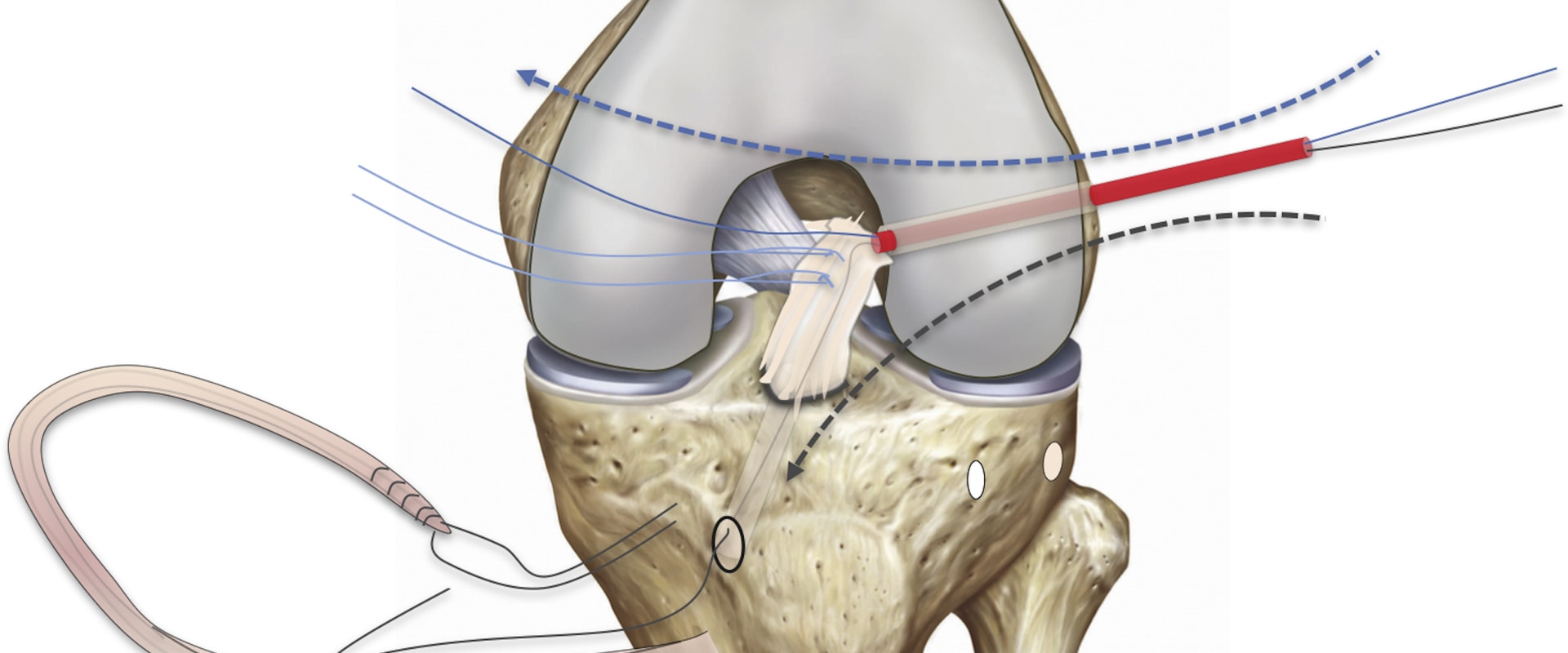
Everything You Need to Know About Tendon Truncations
Tendon truncations are medical conditions where the end of a tendon (or ligament) gets caught on another part of the bod…
Read more →
Everything You Need to Know About Truncating Words
Truncation is a powerful tool that allows you to search for a term and its various spellings and word endings. Learn how…
Read more →